HOW WE CAN CONSERVE FOREST?
Hii Friends,In my
previous post I was telling you about the forest and the importance of forest
and also what the forests do for us how many crucial role they play to protect
our environment but what humans do to the forests .They continue cutting the
trees and increase the pollution .There are very harsh effect of cutting
the forest on our environment the pollution rate will increase very fast and
the global warming occur.cutting of trees may also create unbalancing of
seasons time and on the rain also.so we have to conserve trees to protect our
environment for any harm.
So,In this post I am
going to tell you some small methods to how to conserve forest and save our
environment .so please read it carefully and apply some of the methods to
controlling the deforestation.I may be very thankful to you.
Forests are rapidly
disappearing all over the world, alarming many people. The loss of this natural
resource could spell disaster for our planet. Most of us are unsure how we can
do anything to stop this. How can we prevent this global
crisis? Well, chaining yourself to a tree might make a statement,
but there are many more efficient ways to
prevent deforestation.
Protecting the world’s
forests should be our very first priority in fighting global warming and
climate change. Forests are critical to life on earth. 1.6
billion people rely on them directly for food, shelter, fuel
and income. Forests provide wide range of environmental, social and economic
benefits that improve our quality of life. Forests maintain and support the
environment in which we live by regulating the climate, improving
air qualityby removing harmful CO2 emissions, conserving and
cleaning water and supporting
wildlife.
Few of the
environmental benefits include cleaning the air by absorbing noxious gases and
pollutants, improving air quality, preventing
soil erosion, serving as home for wildlife, improving groundwater
level, providing shade to homes which results in reduced energy costs and
controlling floods.
Forests also provide
protection against natural disasters like floods and landslides, provide great
place for survival for variety of ecosystems and
beautify our communities. They are also great place for adventure and sports.
In short, we need our forests and our forests need us!
A NATION THAT DESTROYS ITS SOILS
DESTROYS ITSELF. FORESTS ARE THE LUNGS OF OUR LAND, PURIFYING THE AIR AND
GIVING FRESH STRENGTH TO OUR PEOPLE.
~ FRANKLIN D. ROOSEVELT
~ FRANKLIN D. ROOSEVELT

What can the average person do to help prevent
deforestation?
1. Ditch the printer
The less you print, the less paper is used. Trees are cut down
for paper. Therefore, the less you print, the fewer trees are cut down. In the
long run this could really add up to a lot of saved trees.
2. Double-sided paper
If you must print, print on both sides of the page. This will
cut down the paper consumption by half, which saves half the number of trees in
a forest.
3. Go digital with your bills
In the same way that printing less causes less of a demand for
paper, getting your bills through e-mail instead of a printed copy in the mail
will decrease the demand for paper.
4. Buy only FSC Certified woo products
The FSC (Forest Stewardship Council) monitors that these
products were sourced in an environmentally responsible way. If a product is
not FSC Certified boycott it, as you will be supporting unsustainable
deforestation by buying and funding these products.
5. Switch to bamboo paper
Bamboo is easily sustainable and grows to maturity within five
years, a lot faster than trees. They have exactly the same functions as well.
Try to use bamboo paper as much as possible in order to lower the demand for
paper produced by trees.

6. Switch to digital books
Again, this creates less of a demand for paper. Digital books
are also more convenient as you have an endless supply of books on a single
device. You can also read from a digital device in the dark, unlike with a book
printed on paper.
7. Use the library
If you still prefer to read the real thing, borrow books from
your local library. It’s cost efficient and environmentally
conscious.
8. Read your magazines online
Most magazines offer the exact same content online if you sign
up for a subscription with them. You will also receive the content immediately
after it is released instead of waiting.
9. Switch cards for e-cards
This will let your friends know you care about them and the
environment.
10. Reuse gift bags
If you think this is tacky, opt for a recyclable gift bag.
11. Plant trees
Does this even need an explanation?
12. Use reusable containers
For your food, trinkets, anything really.
13. Use cutlery
While paper plates and cup are convenient, they are not the
environmentally aware choice.
14. Avoid the paper towels
Use the hand dryer in the bathroom instead.
15. Paper towel alternatives
If you need paper towels, buy tree-free or recycled paper towels
instead of paper towels made from tree pulp.
16. Switch from paper napkins to cloth napkins
There are also other tree-free options available.
17. Use cloth diapers
Paper diapers are a strain on
the environment. Many communities have diaper service that will pick
up dirty diapers and leave clean ones.
18. Buy used wooden furniture
You’ll pay less for it and help prevent deforestation.
19. Educate others
Whether it be your children, friends, or colleagues. The more
people are aware of what they can do to help prevent deforestation, the better.
Can laws and rules help prevent deforestation?
Regulations help to prevent
deforestation because it allows for a time of re-growth due to
the rotational approach most of these regulations have. This can also be
referred to as sustained yield. There are three different regulations that can
be implemented:
20. Regular and planned cutting of trees
·
Clear cutting
If there are large areas that have the same type of trees
available on it, trees of the same age group can be cut down in a selected
area. This area will then be marked for replantation in order to sustain the
forest.
·
Selective cutting
When selective cutting is implemented it means that only fully
mature trees will be allowed to be cut down.
·
Shelter
wood cutting
This method entails that the least
useful trees are cut down first, while the highest quality trees are cut down
last.
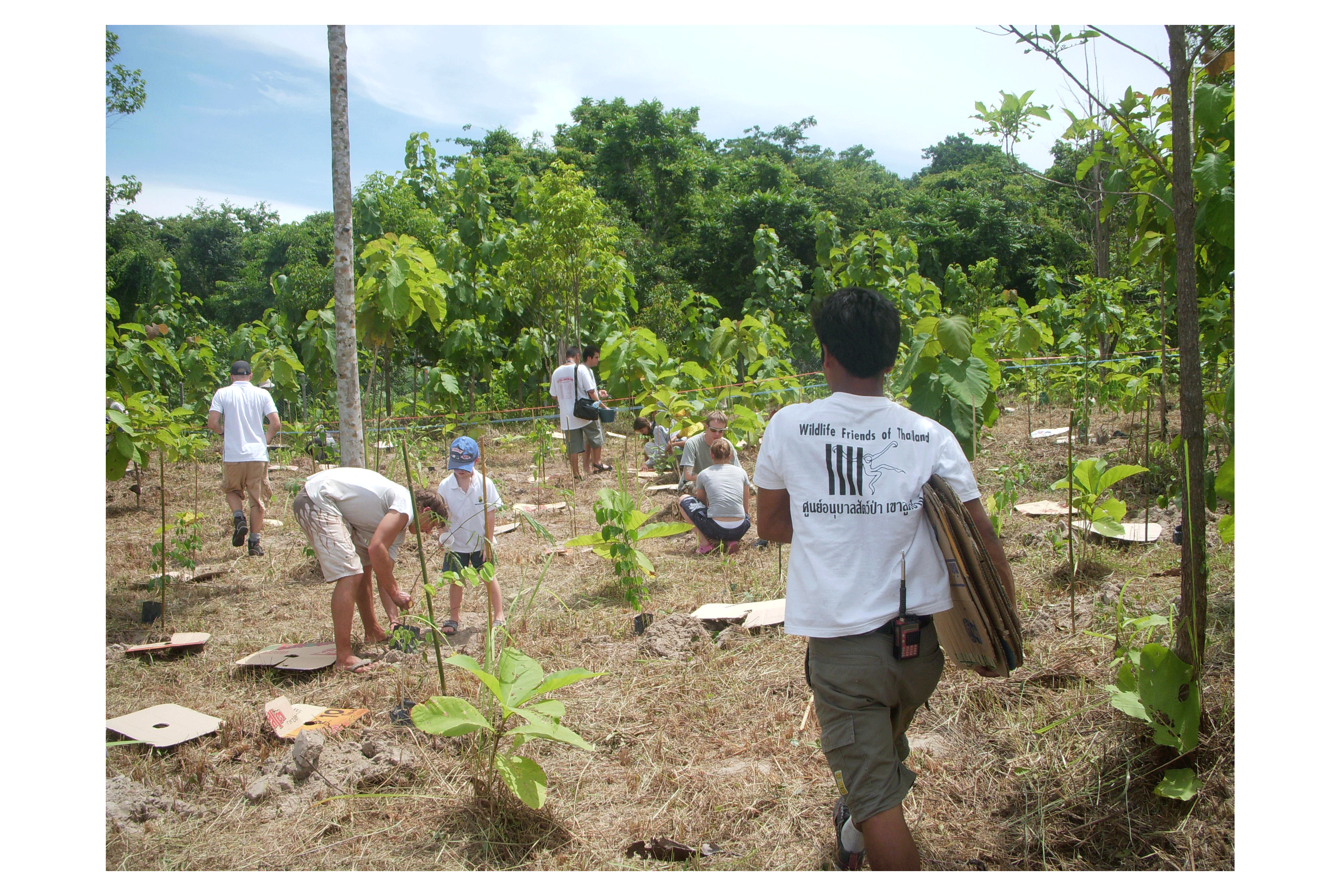
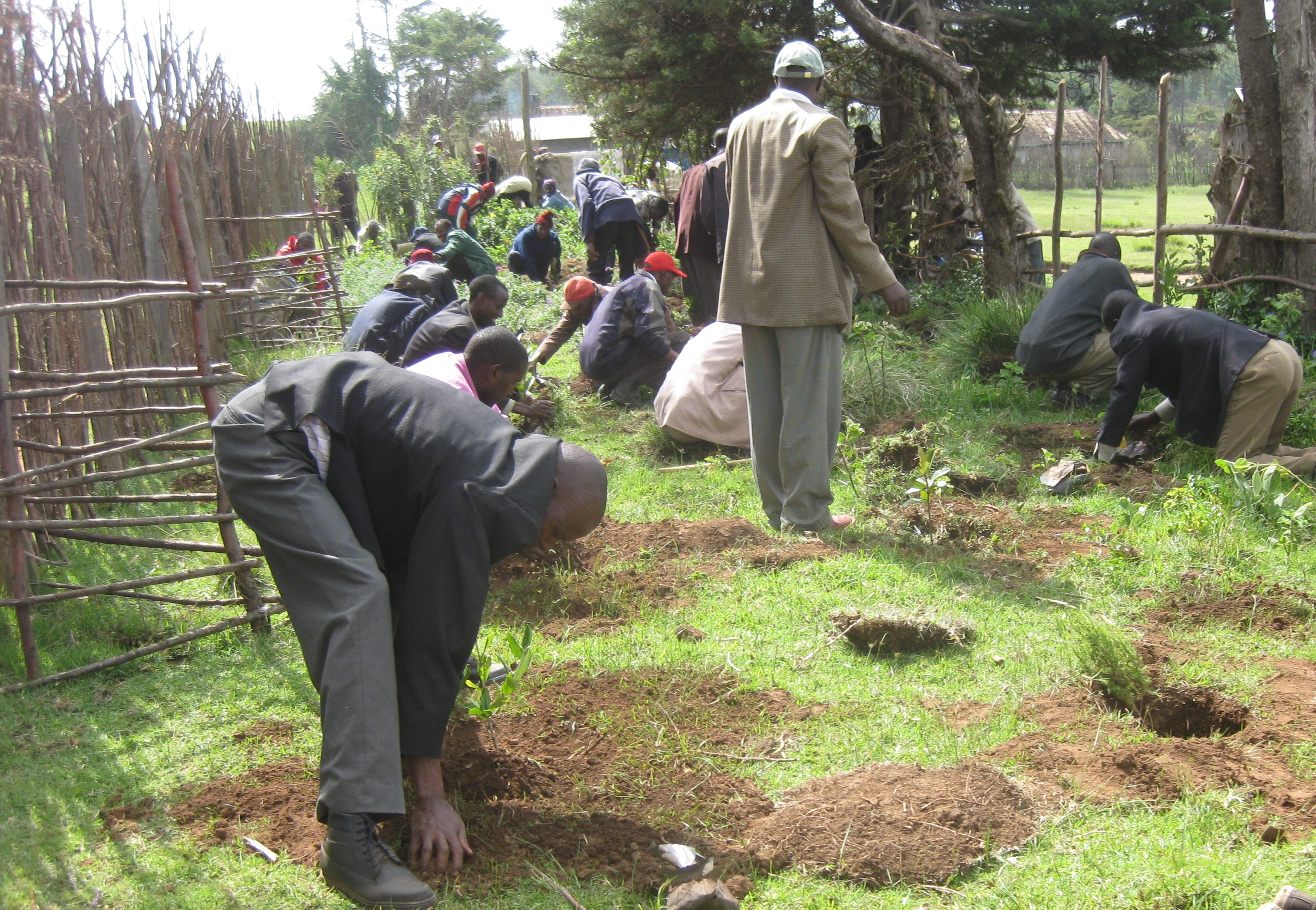
21. Reforestation
Also referred to as sustainable yield,
this method requires that every tree that gets cut down must be replanted.
Similarly, any tree that gets burned down due to forest fires must also get
replanted.
22. Monitor
agriculture
Many forested areas are cleared in order
to make room for agricultural lands. This should be limited.

23. Protect existing
forests
In addition to the threat that humans
pose for forests, they are also endangered by parasitic fungi, rusts,
mistletoe, viruses and nematodes. These all destroy the trees. An effort should
be made to administer a chemical spray or some other treatment in order to
destroy the parasites.
24. Produce less waste
A shocking amount of wood gets wasted
when trees get cut down for logs. The rest is simply thrown away when it could
be used for other purposes.
25. Raise awareness
through tourism
Forests could become popular tourist
destinations. This will give the forest more value and protect it. It will also
improve the local economy thanks to the tourists spending their money there.
Poorer communities will no longer have to cut down the trees for a living.
26. The government
must take action
There are many proposed things that the
government can do, such as:
·
Passing acts that require the
conservation of forests,
·
Surveying the forest resources to
prevent overusing the resources,
·
Categorizing forest areas and proper
delimitation of reserved forest areas to prevent anyone from damaging the
reserved area,
·
Find out which areas require
reforestation,
·
Regulating and improving upon the
commercial use of forest products,
·
Protecting forests from fire, mining and
other threats, and
·
Developing national parks.
27. Forest management
can also play a huge role in preventing deforestation
Managing the forest would include the
following steps:
·
Survey of forest,
·
Categorization of forest.
·
Economic use of forest,
·
Administrative setting for forest
management,
·
Training programs for persons engaged in
forest conservation activities,
·
Use of forest land as tourist centers,
·
Social and agro-forestry,
·
Development of new techniques for the
conservation of forests,
·
Research for efficient use and
conservation of forest, and
·
Policy decisions and their proper
implementation.
·

No comments:
Post a Comment